🪴 Micro Raised Beds for Small Spaces: Everything You Need to Know
Raised beds are not just for people with land. When you scale them down and design them with intention, they become one of the most productive and practical growing systems available to urban gardeners, balcony growers, and microsteaders working with limited space. A well-built micro raised bed gives you control over your soil, your drainage, your plant spacing, and your harvest, all in a footprint that fits where you actually live.
This guide covers everything from choosing the right size and materials to building your bed, filling it correctly, and getting the most out of every square foot of growing space you have.
What Is a Micro Raised Bed and How Is It Different from a Standard Raised Bed?
A standard raised bed is typically a large timber rectangle built into a backyard or garden plot, often measuring 4 by 8 feet or larger. A micro raised bed follows the same principle but is designed for compact environments where space, weight, and portability all matter.
Common sizes are 2 by 2 feet or 2 by 4 feet, deep enough for root development but small enough to sit comfortably on a patio, rooftop, balcony, or driveway. The key difference is not just size. It is intention. A micro raised bed is planned around your available space rather than built to fill a yard that does not exist.
Why Raised Beds Work So Well for Urban and Balcony Growers
Raised beds offer four advantages that are particularly valuable in small-space growing environments. First, containment. Your soil, amendments, and roots stay exactly where you put them, which matters on hard surfaces where standard in-ground planting is not possible.
Second, ergonomics. Raising your growing surface reduces the bending and crouching that makes daily plant care difficult, especially for growers with mobility considerations. Third, water control. A properly built raised bed drains freely in wet conditions and holds moisture well when paired with a wicking system or irrigation insert. Fourth, flexibility. A compact raised bed can be positioned to follow sunlight, moved when conditions change, or added to over time as your growing confidence grows.
What Size Raised Bed Is Best for a Balcony or Patio?
For most balcony and patio growers, a 2 by 2 foot or 2 by 4 foot frame is the right starting point. These dimensions are small enough to manage alone, light enough to reposition, and large enough to grow a meaningful amount of food. Depth matters more than surface area for many crops. A minimum of 6 inches supports leafy greens, herbs, and shallow-rooted vegetables.
A depth of 10 to 12 inches opens up the bed to root crops like carrots and beets. If weight is a concern on an upper-floor balcony, keep the frame shallow and fill the lower third with lightweight materials before topping with your growing mix.
What Materials Can I Use to Build a Micro Raised Bed?
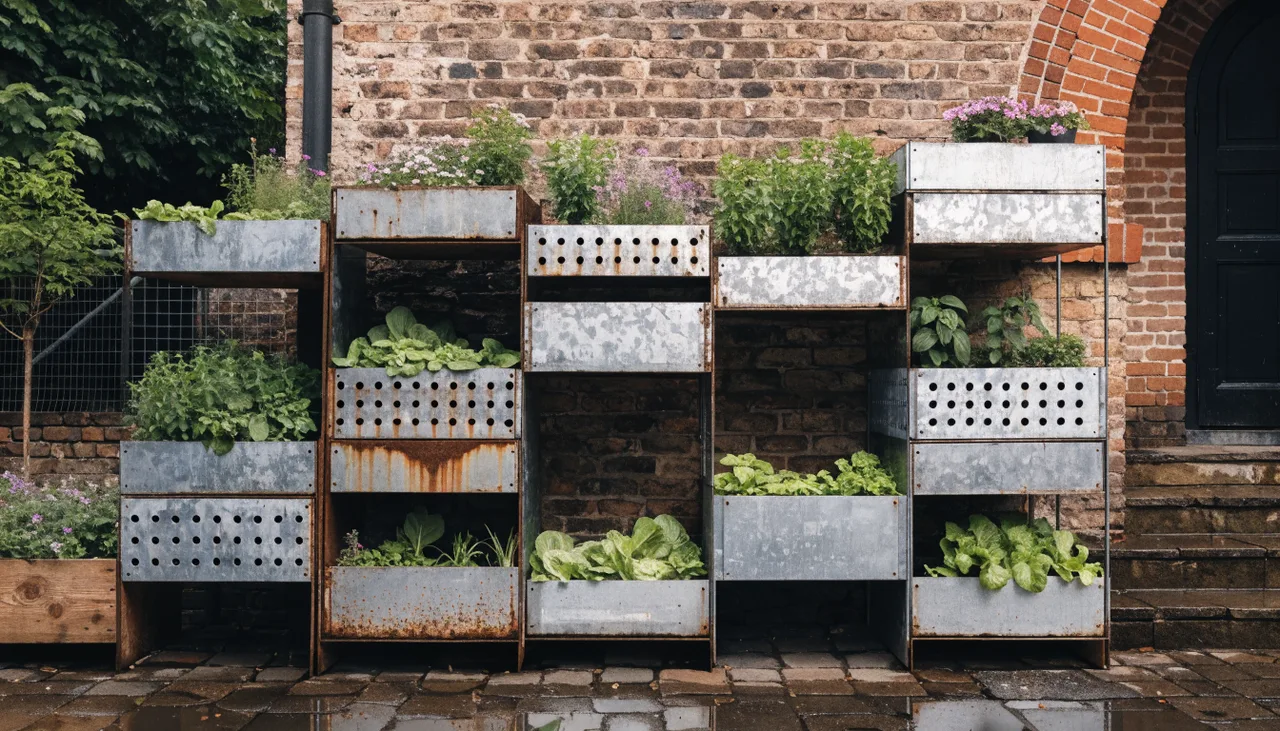
The most practical and budget-friendly materials for micro raised beds are untreated pallet wood, reclaimed fence boards, 2 by 6 timber planks, and cinder blocks. Each has strengths depending on your situation. Pallet wood is free or very cheap and works well for lightweight temporary beds. Reclaimed boards add character and are structurally solid.
Cinder blocks are heavy but extremely durable and double as a thermal mass that retains heat overnight, which benefits warm-season crops. For growers who want portability, adding locking castor wheels to a timber frame lets you move the bed to follow the sun or bring it inside during storms.
Repurposed containers also work well as micro raised beds. Old dresser drawers, wine crates, and wooden toolboxes can all be lined and filled for growing. As long as the container has adequate depth and drainage, the material is secondary to the growing environment inside it.
How Do I Fill a Micro Raised Bed for the Best Results?
The growing mix you use in a raised bed has a direct impact on yield, drainage, and plant health. A reliable all-purpose mix for micro raised beds combines compost for nutrition, coconut coir for moisture retention and structure, and perlite for drainage and aeration. A ratio of 40 percent compost, 40 percent coconut coir, and 20 percent perlite works well for most vegetables and herbs.
For root crops like carrots or radishes, increase the perlite to 25 percent and reduce the compost to 25 percent to create a looser, lighter mix that lets roots develop without resistance.
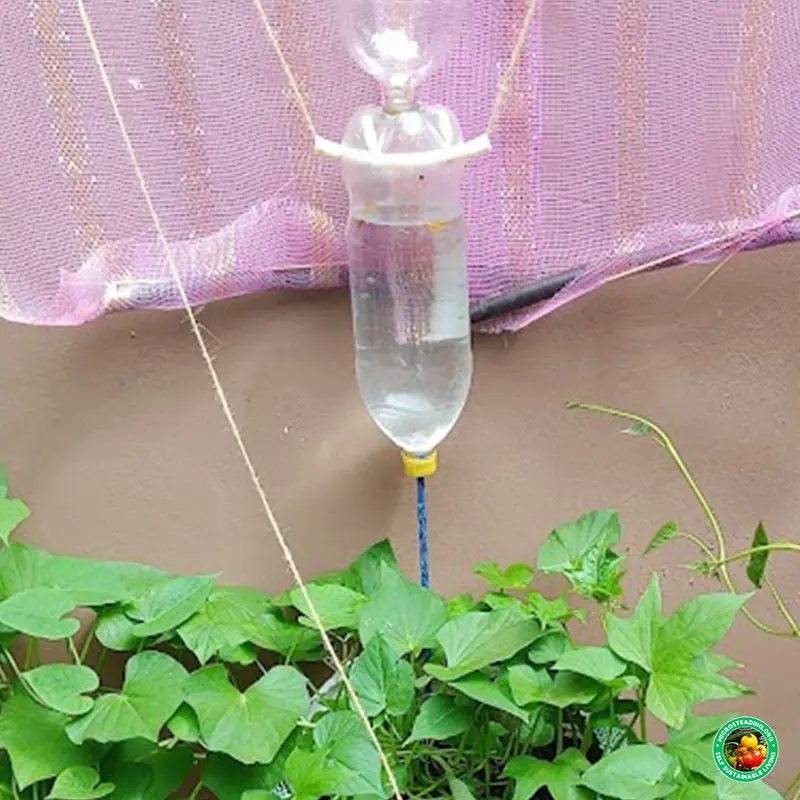
Before filling your bed with growing mix, consider placing a BottleCore irrigation insert in the base. This passive watering system distributes moisture evenly through the root zone and significantly reduces the frequency of manual watering, which is particularly useful if you travel or cannot check on your garden daily.
What Can I Grow in a Micro Raised Bed?
A 2 by 4 foot raised bed has 8 square feet of growing space, which is more productive than it sounds when you use square-foot gardening principles. Leafy greens like lettuce, spinach, kale, and chard are ideal because they grow quickly, can be harvested continuously by picking outer leaves, and tolerate being planted close together.
Herbs including basil, parsley, cilantro, thyme, and oregano thrive in raised beds and can be tucked into gaps around larger plants. Garlic, onions, radishes, and short-variety carrots are reliable producers in deeper beds. Bush beans and peas work well in 2 by 4 beds with a simple bamboo support added for vertical growth.
Companion planting significantly increases the productivity of a small raised bed. Pairing garlic with leafy greens deters aphids. Growing nasturtiums at the corners attracts pollinators and adds an edible harvest. Interplanting quick-maturing radishes between slower crops like kale uses space that would otherwise sit empty during the growing period.
How Do I Water a Micro Raised Bed Efficiently?
Raised beds dry out faster than in-ground plots because they have more surface area exposed to air and wind. In a compact growing environment, this makes a passive watering system valuable rather than optional. A wicking layer installed at the base of the bed, or a bottle-based irrigation insert placed before filling with soil, maintains consistent moisture in the root zone without daily intervention.
For growers who prefer manual watering, the finger test remains the most reliable method. Push your finger an inch into the soil. If it feels dry, water deeply until it drains from the base. If it still feels moist, wait another day.
Can a Raised Bed Be Made Self-Watering?
Yes, and for a microsteader, this is worth the small amount of extra setup time. Adding a wicking reservoir to the base of a raised bed converts it into a self-watering system that draws moisture upward to the roots as the soil dries. This approach reduces water waste, prevents both overwatering and underwatering, and frees you from daily watering schedules.
A BottleCore irrigation insert achieves the same result using recycled plastic bottles and requires no pumps, timers, or electricity. For a complete walkthrough of how to build this system, see the BottleCore Irrigation page.
How Do I Protect a Raised Bed on a Balcony or Rooftop?
Wind is the primary challenge for raised beds in elevated positions. A frame that is stable at ground level can become unstable when exposed to upper-floor winds, particularly if it is planted densely and the foliage catches the air like a sail. Keep the frame low and the base wide. Secure it to a wall, railing, or heavy anchor point if your location is regularly windy.
Adding hoops and insect netting over the frame creates a low tunnel that protects against both wind and pest pressure while retaining warmth during cooler months. Always check the weight-bearing capacity of your balcony before building. A filled raised bed is significantly heavier than an empty container, particularly when the soil is wet.
📋 A Note on Raised Beds from Growing Experience
The single biggest mistake I see new microsteaders make with raised beds is filling them with cheap potting compost and wondering why the results are disappointing. A raised bed performs exactly as well as what you put into it. Investing in a proper growing mix, starting with good drainage, and adding a passive watering system from the beginning produces results in the first season that keep growers committed for years. Start with one small bed, get it right, and add another when you are ready. One well-managed 2 by 2 foot bed consistently outperforms three poorly managed ones.
Frequently Asked Questions
Not at all. While traditional raised beds are large, microsteading focuses on compact versions like 2x2 or 2x4 setups that fit patios, rooftops, or even balconies.
You can use pallet wood, cinder blocks, reclaimed fence boards, or even old dresser drawers. The key considerations are drainage, soil depth, and fitting your available space.
Not when you are scaling down. A 6 to 12 inch deep bed is usually plenty for herbs, greens, and shallow root crops. You can also fill part of the base with sticks or compostable material to reduce the amount of soil you need.
Leafy greens, bush beans, herbs, radishes, garlic, onions, and short carrots all do well in compact raised beds. You can also companion plant to get the maximum harvest from a tight growing space.
Absolutely. You can add a bottlecore irrigation system or install a wicking layer in the bottom of the bed. These passive systems keep your soil evenly moist without daily watering.